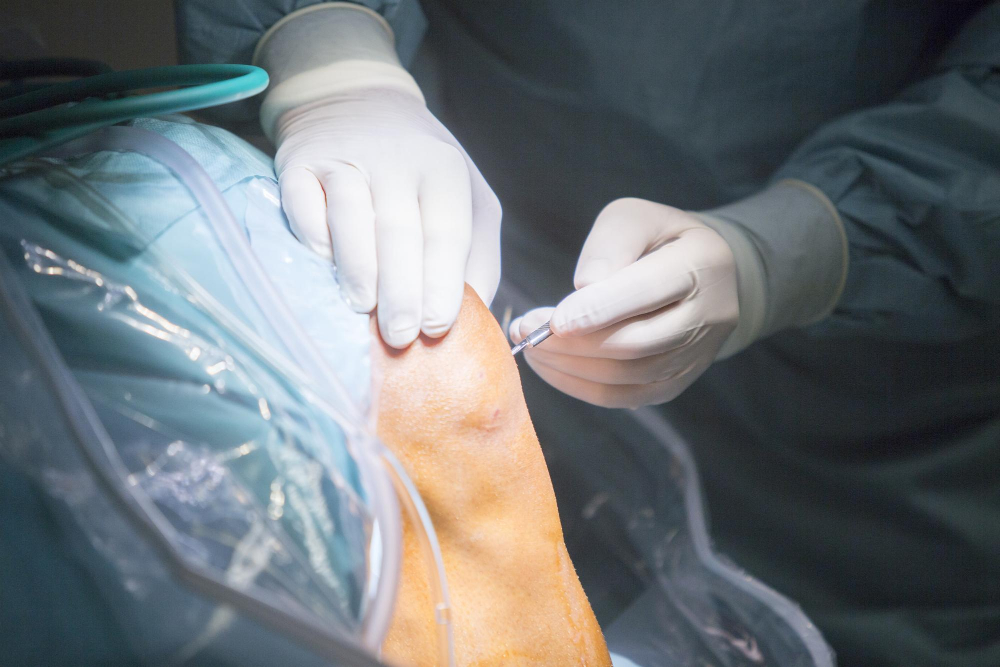
What is ACL Surgery?
The anterior cruciate ligament (ACL) is a strong band inside your knee. It helps keep your knee stable. Sometimes, sports injuries or accidents can tear the ACL. When this happens, doctors may suggest ACL surgery. This surgery repairs or replaces the torn ligament. Many people want to know the ACL surgery dos and don’ts to heal well. Understanding these steps can help you recover faster and avoid problems.
Why is Following Dos and Don’ts Important?
After ACL surgery, your knee needs time to heal. However, what you do during recovery matters a lot. If you follow the right steps, you can lower your risk of pain or injury. On the other hand, ignoring advice may slow your healing. For this reason, knowing what to do and what to avoid after ACL reconstruction is key. Following these tips can help you return to daily life safely.
Dos After ACL Surgery
Don’ts After ACL Surgery
Tips for a Smooth Recovery
For a better recovery, plan ahead. For example, set up your home to make moving around easier. Place items you need within reach. In addition, wear loose clothing for comfort. Stay patient, as healing takes time. Although you may feel eager, avoid rushing your progress. Moreover, keep a positive attitude and ask for help when needed. These ACL surgery recovery tips can make your journey smoother.
When to Contact Your Doctor
Sometimes, problems can happen after surgery. Therefore, call your doctor if you notice:
Early action can prevent serious issues. So, never ignore these warning signs.
Frequently Asked Questions
How long does ACL surgery recovery take?
Most people need at least six months to recover. However, some may take longer, depending on their health and activity level.
What are safe exercises after ACL surgery?
Gentle range-of-motion and strengthening exercises are best. Always follow your physical therapist’s advice for safe activities.
What should I avoid after ACL reconstruction?
Avoid high-impact sports, running, or jumping until your doctor says it is safe. Also, do not skip therapy or stop medicines early.
Can I walk after ACL surgery?
You may walk with crutches or a brace at first. But, wait for your doctor’s approval before walking without support.
Is swelling normal after ACL surgery?
Some swelling is normal. Yet, if swelling gets worse or comes with pain and redness, contact your doctor right away.
Conclusion
In summary, following ACL surgery dos and don’ts is vital for a safe recovery. For the best results, always listen to your doctor and attend therapy. If you have concerns, do not wait to seek help. Consult an orthopedic specialist for personalized advice on ACL surgery recovery.
Sources: Centers for Disease Control and Prevention (CDC), World Health Organization (WHO), American Academy of Orthopaedic Surgeons (AAOS).