What Is Degenerative Spondylolisthesis?
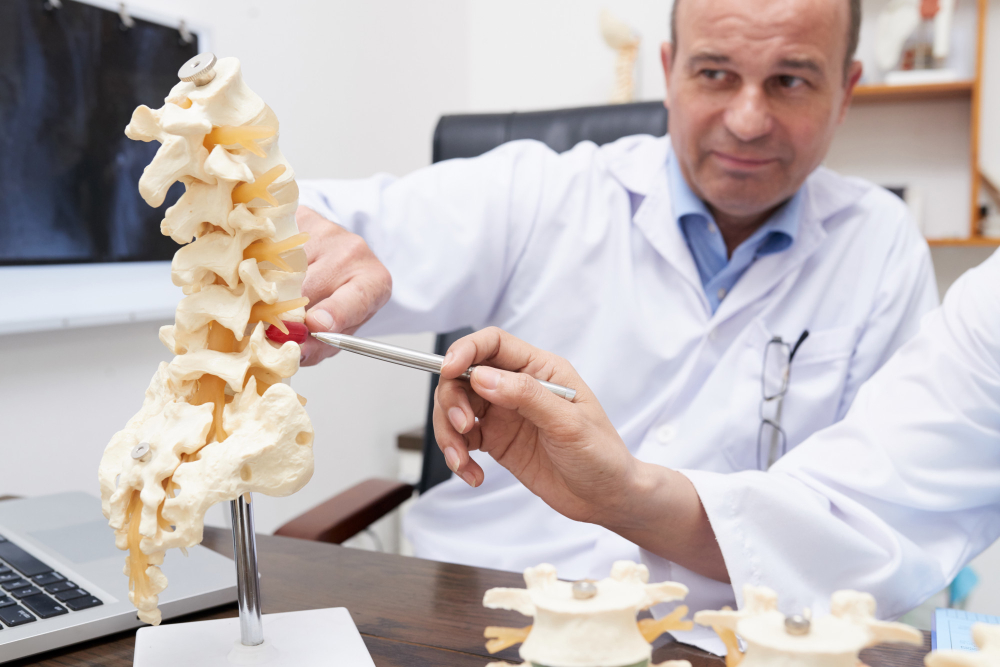
Degenerative spondylolisthesis is a spine condition where one back bone slips forward over the one below it. This usually happens because of aging and wear on the spine. In fact, it is a common reason for back pain in older adults. Many people seek orthopedic spine care for this problem. The slipped bone can press on nerves, which may cause pain or numbness. According to the National Institutes of Health, this condition mostly affects people over age 50.
Common Symptoms of Degenerative Spondylolisthesis
Symptoms can vary from person to person. However, some signs are more common. Early treatment for degenerative spondylolisthesis can help manage these symptoms. Watch for these signs:
Sometimes, people may not notice symptoms right away. But as the condition gets worse, pain and weakness can increase.
Causes and Risk Factors
Degenerative spondylolisthesis happens when the joints and discs in the spine wear down over time. This wear and tear can make the bones less stable. As a result, one bone may slip forward. Several factors can raise your risk:
According to the CDC, keeping a healthy weight and staying active can lower your risk.
How Is Degenerative Spondylolisthesis Diagnosed?
If you have back pain or leg symptoms, your doctor may suspect degenerative spondylolisthesis. First, the doctor will ask about your symptoms and medical history. Next, a physical exam checks your strength, reflexes, and movement. To confirm the diagnosis, doctors often use imaging tests such as:
These tests help your orthopedic specialist plan the best treatment for you.
Treatment Options for Degenerative Spondylolisthesis
Treatment for degenerative spondylolisthesis depends on your symptoms and how much the bone has slipped. Many people get better with non-surgical care. However, surgery may be needed if symptoms are severe or do not improve.
Non-Surgical Treatments
These treatments can reduce pain and help you move better. According to peer-reviewed studies, most people improve with these steps.
Surgical Treatments
If non-surgical care does not help, surgery may be an option. The main goal is to relieve pressure on nerves and stabilize the spine. Common surgeries include:
Your orthopedic surgeon will discuss the risks and benefits with you before surgery.
Lifestyle Guidance and Prevention Tips
While you cannot stop aging, you can lower your risk of degenerative spondylolisthesis. Try these tips for better spine health:
Early care can help prevent symptoms from getting worse.
When to See an Orthopedic Specialist
If you notice back pain, numbness, or weakness that does not go away, it is time to seek help. An orthopedic spine care expert can give you a full evaluation. With the right treatment, most people can manage their symptoms and stay active.
Consult an orthopedic specialist for personalized advice on degenerative spondylolisthesis.